

Freezing your eggs is about choice, and giving yourself time to decide what your future looks like, on your own terms. If you’re wondering where to start, a good first step is a chat with a fertility specialist who’ll walk you through it, arrange the tests you need and answer your questions along the way. It’s simpler than you might think. Just book an appointment with us and we’ll take it from there.

Are you at a crossroads in life, caught up between advancing your career, finishing your education, or waiting for the perfect moment to begin a family? We understand the complexity of these choices and the significance of taking charge of your future.
But what if we tell you there’s a way to have it all? If you’re a woman aged 25 to 45, residing in Melbourne, and seeking fertility solutions, Dr Daniel Lantsberg, a fertility specialist, offers egg freezing for those looking to preserve their fertility. At our clinic in Melbourne, you’ll find a supportive and affordable egg-freezing option that caters to your unique needs.
In addition to that, we also offer embryo freezing in Melbourne, another effective option, ensuring that you have various choices to safeguard your future. Dr. Lantsberg can help you explore the benefits of both egg freezing and embryo freezing. Let’s get a comprehensive understanding of egg freezing and how Dr. Daniel Lantsberg can be your trusted professional for this important decision.
What is Egg Freezing?
Egg freezing, known scientifically as oocyte cryopreservation, involves retrieving a woman’s eggs, freezing them, and storing them for future use. This procedure has gained popularity as more women opt to delay motherhood for various personal reasons.
One reason is their desire to prioritise their career or personal goals before starting a family. Another reason is the potential fertility challenges they may face due to certain medical conditions or treatments, such as chemotherapy.
Clinical guide · Medically reviewed by Dr Daniel Lantsberg
Egg freezing step by step: what to expect
Egg freezing (oocyte vitrification) is a structured medical cycle that usually takes two to three weeks from starting stimulation to recovery. Below is what to expect at each stage with Dr Daniel Lantsberg and the Melbourne IVF laboratory team.
-
1. Initial consultation and ovarian reserve testing
At your first visit in Collingwood (Consulting Suite 4, Level 5, 36 Wellington Street), Dr Lantsberg reviews your medical history, organises an AMH blood test and pelvic ultrasound, and discusses realistic egg freezing success rates and risks for your age. To arrange an assessment, book an appointment.
-
2. Pre-cycle planning, nurse briefing, and preparation
After reviewing your results and egg freezing costs, a fertility nurse guides you through medication timing and injection technique. Some protocols use a short course of the oral contraceptive pill beforehand; read our guide on whether you need a baseline ultrasound after the pill and 5 tips to prepare your body.
-
3. Ovarian stimulation and morning monitoring (10–14 days)
You self-administer daily hormone injections with a fine pen needle to encourage multiple follicles to mature, alongside two or three morning ultrasound and blood tests to track follicle growth and keep ovarian hyperstimulation risk low.
-
4. Trigger injection and day-surgery egg collection
Once follicles reach target size, a trigger injection matures the eggs ahead of a 15–20 minute ultrasound-guided egg collection performed as a day-surgery procedure under light sedation. Full clinical details are set out on our step-by-step egg freezing page.
-
5. Vitrification and Victorian egg storage
Mature eggs are rapidly frozen (vitrified) in liquid nitrogen at the Melbourne IVF laboratory and stored in Victoria under VARTA regulations. Learn more in oocyte vitrification in Victoria.
-
6. Recovery and next steps
Plan one to two days of rest after collection; your next period usually arrives within one to two weeks. Have more questions? Browse our egg freezing FAQ.
General information only, not personal medical advice. Individual suitability, cycle timing, and medication plans vary; discuss your own health with Dr Daniel Lantsberg or your treating doctor.
The Process of Egg Freezing in Melbourne
Now that we understand the ‘why’, let’s dive into the ‘how’. The egg-freezing process involves a series of carefully orchestrated steps, and Dr Daniel Lantsberg ensures that every aspect of this process is transparent and tailored for you.
Step 1: Initial Consultation and Fertility Assessment with Dr. Daniel Lantsberg
Step 2: Informative Sessions with the Team
Step 3: Hormonal Stimulation
Step 4: Egg Collection
Step 5: Freezing Eggs (Vitrification)
Step 6: Recovery
Why Choose Dr. Daniel Lantsberg: A Brief Overview
Affiliation with Melbourne IVF: Dr Lantsberg’s affiliation with Melbourne IVF adds an extra layer of trust and assurance in your journey towards egg-freezing. Melbourne IVF boasts one of the most advanced and experienced labs, achieving not only the highest success rates in Victoria but also among the best globally. With such credentials, you can trust that you’re in capable hands.
Academic and Research Contributions: Dr. Lantsberg’s commitment to advancing fertility treatments extends to his academic and research pursuits. As a Senior Lecturer in the Department of Obstetrics and Gynaecology at the University of Melbourne, he actively helps prepare the upcoming generation of fertility specialists. Moreover, Dr. Lantsberg has been instrumental in founding the Australian-Israeli consortium for advancements in fertility treatments. This initiative promotes international scientific exchange, ensuring that the latest breakthroughs in reproductive medicine are at the forefront of his practice.
Dr. Lantsberg takes a patient-centric approach, recognising the importance of tailored care. With a deep commitment to providing personalised treatment plans, he ensures that your unique situation is understood and addressed effectively.
Our Comprehensive Fertility Services
We understand that fertility concerns can be challenging. Our experts conduct comprehensive investigations and provide personalised advice, empowering you to make informed decisions about your fertility options. Ovulation Induction:In cases where ovulation is irregular or absent, Dr Lantsberg can assist in regulating ovulation through medication, increasing the chances of conception. Egg Freezing:
Whether you’re considering elective egg freezing or medical fertility preservation, Dr. Lantsberg can guide you through the process, ensuring you understand the options available. IVF:In vitro fertilisation is a cornerstone of assisted reproductive technology, and Dr. Lantsberg ensures that you receive the most advanced and personalised treatment. Sperm and Oocyte Donation:
If you need donor sperm or eggs, our clinic is here to assist you in finding safe and dependable donor options, making the process as smooth as possible. Fertility Treatments:
From intrauterine inseminations (IUIs) to donor conception, we offer various fertility treatments customised to your specific needs. We provide continuous support throughout your journey, enhancing your chances of success. Single Parenting and Same-Sex Fertility Treatment:
We are committed to offering inclusive and compassionate support to individuals and couples who are looking to begin or expand their families through single parenting or same-sex fertility treatment.
Egg Freezing vs. Embryo Freezing
Egg freezing and embryo freezing may sound similar, but they are different processes with unique benefits and limitations. Egg freezing entails extracting unfertilised eggs from a woman’s ovaries and freezing them for later use. In contrast, embryo freezing involves fertilising eggs with sperm to form embryos, which are subsequently frozen for future use.
Many women who want to delay having children consider freezing their eggs. Couples seeking fertility treatment often choose to freeze embryos instead. This is because embryos have a higher survival rate than frozen eggs, and genetic testing can be done before implanting them through in vitro fertilisation. Embryo freezing is also a practical option, especially when there are concerns about male infertility, as it allows sperm to be frozen for future use.
Timing and Age Considerations
Choosing the right time for egg freezing is a crucial decision, and understanding the ideal age for this procedure can make all the difference.
Age plays a significant role in a woman’s reproductive health. Let’s delve into different age stages and considerations for egg freezing:
Addressing Age-Related Fertility Concern
In your 20s, you experience your prime reproductive years. At this age, your egg quality and quantity reach their peak. By freezing your eggs in your 20s, you can secure excellent quality eggs for future use. The quality of eggs frozen at this age is typically excellent, increasing your chances of success when you decide to use them. Nonetheless, the chances of not utilising your eggs in your 20s are higher. Given the relatively slow decline in egg quality during this phase, waiting until your late 20s or early 30s is generally a better option.
As you enter your 30s, your fertility starts to decrease slowly. Your eggs become fewer and not as healthy as in your 20s. But don't worry, egg freezing can still work quite well for you in your 30s. It's around this age when most women begin contemplating egg freezing as a means to preserve their fertility. According to Dr Lantsberg, women aged 30-35 are at the ideal stage to commence the egg-freezing process. You just need to be more careful with your choices in terms of fertility preservation and the clinic you choose.
Freezing your eggs in your 30s can still provide a valuable insurance policy, but it's crucial to understand that the older you get, the fewer high-quality eggs you may have to freeze.
If you're in your 40s and have not yet preserved your eggs, there is still a chance to do so. Dr. Daniel Lantsberg can expertly guide you to make informed decisions throughout the process. Although the chances of success are diminished compared to freezing in your 20s or 30s, achieving a healthy pregnancy using frozen eggs is still possible.
Dr Daniel Lantsberg's Melbourne clinic offers affordable egg freezing and tailored support, helping you navigate your unique circumstances. Exploring egg freezing presents a viable option for those contemplating future family planning.
Success Rates of Egg Freezing
- Typically, 60-70% of eggs successfully fertilise during the process.
- Out of those, around 30-40% develop into day five blastocyst embryos, which have a higher chance of leading to a pregnancy.
- Freezing your eggs at age 35 or younger offers a 45% chance of a single embryo resulting in pregnancy.
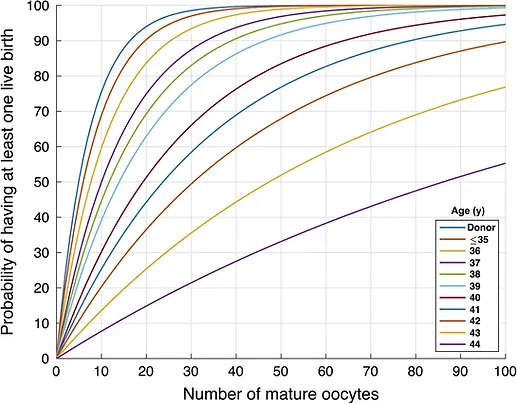
However, age significantly influences the outcome. A 2017 study in the journal Human Reproduction demonstrated the impact of age and egg quantity:
Freezing 20 mature eggs under 35 was associated with about a 90% chance of at least one live birth. On the other hand, if you freeze 20 eggs at age 44, your likelihood of having a baby drops to less than 15%.
Dr Daniel Lantsberg can offer a personalised assessment, as success rates vary based on your age at the time of freezing and the number of eggs retrieved. During your initial consultation, Dr Lantsberg will provide detailed insights into your specific prospects, ensuring you have all the information you need to make informed decisions about your fertility journey.
Potential Risks
It is important to discuss the potential risks and benefits of egg freezing with a healthcare provider before deciding to undergo the procedure.
General complications
Complications from egg freezing are extremely rare. This is not to be confused with potential side effects during the process, which may include pelvic discomfort, mood changes and breast tenderness. These are usually very mild and well tolerated.
General complications can include bleeding, infection or damage to internal organs during the egg collection procedure, at a rate of fewer than 1 in 100 procedures. These can be minimised with good surgical technique, and through Egg Freezing Melbourne the risk of these complications is considered very low.
Ovarian hyperstimulation syndrome (OHSS)
Ovarian hyperstimulation syndrome (OHSS) is a reaction to the fertility medication used to stimulate the ovaries. The ovaries become larger than intended and fluid can build up, which may cause bloating, abdominal swelling or pain, nausea and rapid weight gain. In severe cases, it can cause shortness of breath.
OHSS with egg freezing is extremely rare, almost non-existent, because care is personalised and certain medications almost eliminate the risk. This is particularly true of the trigger injection: a GnRH agonist trigger is used, unlike regular IVF cycles, where a different trigger (hCG) is normally used. That almost eliminates the risk of hyperstimulation during egg freezing. It is extremely unlikely to develop OHSS even when a very high number of eggs is retrieved.
Survival of frozen eggs
Historically, survival of eggs after freezing was very low. Advances in freezing technology, known as vitrification, have changed this. Through Egg Freezing Melbourne’s access to Melbourne IVF’s laboratories and freezing technology, about 90 to 92 percent of eggs are expected to survive warming.
Age and egg quality
The chance of complications is not influenced by age. What age does influence is the chance of a later pregnancy, specifically the age at which the eggs were frozen. Future success also depends on sperm quality. Personalised advice is given during preparation for egg freezing, and again once the cycle is finished and the number of eggs frozen is known. This can be discussed with you individually.
Offering Affordable Egg Freezing Options in Melbourne
The cost is undoubtedly a significant factor when considering egg freezing in Melbourne. At Dr. Daniel Lantsberg’s clinic, we understand the importance of transparency and affordability in your fertility journey.
Medicare Rebates for Medical Fertility Preservation:
It’s important to note that Medicare rebates are available for medical fertility preservation. During your initial consultation, Dr. Daniel Lantsberg can help you understand the distinction between medical and elective fertility preservation. This distinction is crucial, as it impacts the financial support available to you.
Flexible Payment Options:
Melbourne IVF acknowledges that many people may have concerns about the financial aspect of fertility preservation. To alleviate this financial burden, we have collaborated with Zip Money to offer flexible payment options. You can select a payment plan at your convenience, with 12 and 24-month interest-free periods. This can help make the cost of treatment more manageable.
If you’re thinking about egg freezing, an initial consultation can help you understand your options. Dr Lantsberg works with Melbourne IVF’s laboratory and clinical team. When you choose Dr. Lantsberg, you’re choosing an egg-freezing specialist Melbourne resident trust, who is at the forefront of fertility science.
Patient information · Collingwood, Melbourne
Egg freezing in Melbourne: common questions
Clear, evidence-based answers to the questions people ask most often when considering egg freezing in Victoria. For additional topics, visit our full egg freezing FAQ.
How much does egg freezing cost in Melbourne?
Based on Melbourne IVF’s Victorian fee schedule (correct as of 1 November 2026), an elective egg freezing cycle is $4,935, plus a day hospital egg collection fee of $1,578, anaesthetist fees of $500–$950, and stimulation medications (typically $1,500–$3,000). Egg storage is $450 per six months for up to 10 eggs. Medical fertility preservation cycles are $9,689 before Medicare rebates, or approximately $3,852 out of pocket. See our full egg freezing costs and fees page and cost breakdown guide.
Does Medicare cover egg freezing in Australia?
Under Services Australia Medicare rules, elective (non-medical) egg freezing is not eligible for Medicare rebates, so the $4,935 cycle fee is paid out of pocket. Medicare rebates apply only when egg freezing is medically indicated — for example, before gonadotoxic cancer treatment or for conditions carrying a risk of premature ovarian insufficiency — where the approximate out-of-pocket cycle cost is $3,852. Some private health insurers contribute towards day hospital fees. Review your eligibility on our cost and fees page or book a consultation.
What age should I consider freezing my eggs?
Guidance from RANZCOG and the American Society for Reproductive Medicine (ASRM) notes that egg quantity and quality decline with age, particularly after 35. Freezing eggs in your late twenties to mid-thirties generally offers higher oocyte yield and egg quality than freezing later, while women in their late thirties or early forties may still freeze eggs after individual ovarian reserve assessment. There is no single age that suits everyone. Read more on when to freeze your eggs and success rates by age.
How many eggs should I aim to freeze, and could I need more than one cycle?
Target numbers depend on your age at freezing and ovarian reserve. A 2017 prediction model in Human Reproduction (Goldman et al.) estimated that freezing 20 mature eggs at age 34 was associated with around a 90% likelihood of at least one live birth, compared with 75% at age 37 and 37% at age 42. No number of eggs guarantees a pregnancy, and some patients complete more than one cycle. Explore our success rates and risks and FAQ page.
How long does an egg freezing cycle take from start to finish?
Once pre-cycle blood tests and planning are complete, active ovarian stimulation typically takes 10–14 days, consistent with ESHRE ovarian stimulation guidelines. During those two weeks, you administer daily hormone injections at home and attend two or three morning ultrasound and blood test monitoring appointments. Egg collection takes place around 36 hours after a final trigger injection, followed by a day or two of rest. Learn what each stage involves in our step-by-step guide and pill pretreatment article.
Does egg freezing hurt, and how much time off work will I need?
Most people manage daily hormone injections using fine subcutaneous needles at home, though mild abdominal bloating, pelvic heaviness, or tenderness is common toward the end of stimulation. Egg collection is a 15–20 minute day-surgery procedure performed under light sedation, so you are asleep and comfortable, and usually go home within one to two hours. RANZCOG and HFEA patient resources recommend planning one to two days off work for the procedure and recovery. Read our process overview and evidence-based myths guide.
How long can frozen eggs be stored in Victoria?
Under Victoria’s Assisted Reproductive Treatment Act 2008 and guidance from VARTA, eggs may generally be stored for up to 10 years, or up to 20 years when frozen due to a medical risk of premature infertility or during childhood. If you wish to store eggs longer, you can apply to the Victorian Patient Review Panel before the storage period ends. Eggs are cryopreserved by rapid vitrification in liquid nitrogen. See oocyte vitrification in Victoria and ongoing storage fees.
What happens at my first egg freezing appointment in Collingwood?
Your initial consultation is held in person with fertility specialist and gynaecologist Dr Daniel Lantsberg at Consulting Suite 4, Level 5, 36 Wellington Street, Collingwood VIC 3066. Dr Lantsberg reviews your medical and reproductive history, arranges an Anti-Müllerian Hormone (AMH) blood test and pelvic ultrasound to measure antral follicle count, and outlines expected egg yield, risks, and costs without obligation to proceed. To arrange an appointment, visit book an appointment or read about Dr Daniel Lantsberg.
What happens when I am ready to use my frozen eggs?
When you decide to try for a pregnancy, your stored eggs are warmed in the Melbourne IVF laboratory and fertilised with partner or donor sperm using intracytoplasmic sperm injection (ICSI). Resulting embryos are cultured to the blastocyst stage and one embryo is usually transferred to the uterus in an IVF cycle. Clinical summaries from ASRM and HFEA note that vitrified eggs generally achieve high thaw survival, though pregnancy rates still reflect your age at freezing. Explore step-by-step care and success rates and risks.
General information only. This section is not a substitute for personalised medical advice. Any medical procedure carries risks; please speak with Dr Daniel Lantsberg or your qualified health practitioner about your individual circumstances.
About Egg Freezing

INVEST IN YOUR FUTURE SELF
We understand that there are many reasons why women may choose to delay starting a family. Whether you want to focus on your career, pursue further education, wait until you find the right partner, or simply aren’t ready yet, elective egg freezing is a viable option that allows you to preserve your fertility and build a family when the time is right for you.

EGG FREEZING FOR COUPLES
In addition to being a great option for women who wish to delay parenthood, elective egg freezing is also a valuable choice for couples who want to postpone starting a family. It is also an option for individuals who are medically transitioning from female to male but still want to have the opportunity to become a biological parent.
No matter what circumstances you find yourself in, fertility preservation can provide you with peace of mind, knowing that you have taken proactive steps to maximize your chances of having a baby in the future. Our website is dedicated to providing you with the information and resources you need to make an informed decision about your reproductive future.
Who We Are
Egg Freezing Melbourne is a specialist fertility preservation practice for people in Melbourne who want to understand and plan their fertility options. Our doctors provide consultations, ovarian reserve testing, egg freezing and ongoing egg storage through Melbourne IVF, with general information and individual advice based on each person's health and circumstances.
Dr Daniel Lantsberg
Founder and Medical Director
FRANZCOG
Dr Lantsberg is a fertility specialist and gynaecologist. He is Clinical Director at Melbourne IVF, a consultant at the Royal Women's Hospital and a Senior Lecturer at the University of Melbourne.
About Dr LantsbergQuick answer
Egg freezing (oocyte cryopreservation) in Melbourne is provided by gynaecologist and fertility specialist Dr Daniel Lantsberg from consulting rooms in Collingwood, with eggs frozen and stored at the Melbourne IVF laboratory. A cycle involves about two weeks of hormone injections, then a short egg collection under light sedation. The elective cycle fee is $4,935, plus other listed costs.
Key facts
- Who: Dr Daniel Lantsberg, FRANZCOG, consultant gynaecologist and fertility specialist; Senior Lecturer, University of Melbourne (about Dr Lantsberg).
- Where: Consulting Suite 4, Level 5, 36 Wellington Street, Collingwood VIC 3066 (Melbourne IVF). Telehealth consultations are available.
- Laboratory: consultations and treatment take place in Collingwood, where the Melbourne IVF laboratory is located, so eggs do not need to be transported.
- Time: about 10–14 days of hormone injections with 2–3 morning monitoring visits; egg collection takes about 15–20 minutes (step by step).
- Cost: elective cycle $4,935; day hospital egg collection fee $1,578; anaesthetist $500–$950; medication about $1,500–$3,000; storage $450 per 6 months for up to 10 eggs (full fees).
- Medicare: rebates apply only to medical fertility preservation (cycle fee $9,689; approx. $3,852 out of pocket for eligible patients).
- Contact: (03) 9473 4490 or book an appointment.
General information only, not medical advice. Please speak with your doctor about your situation.
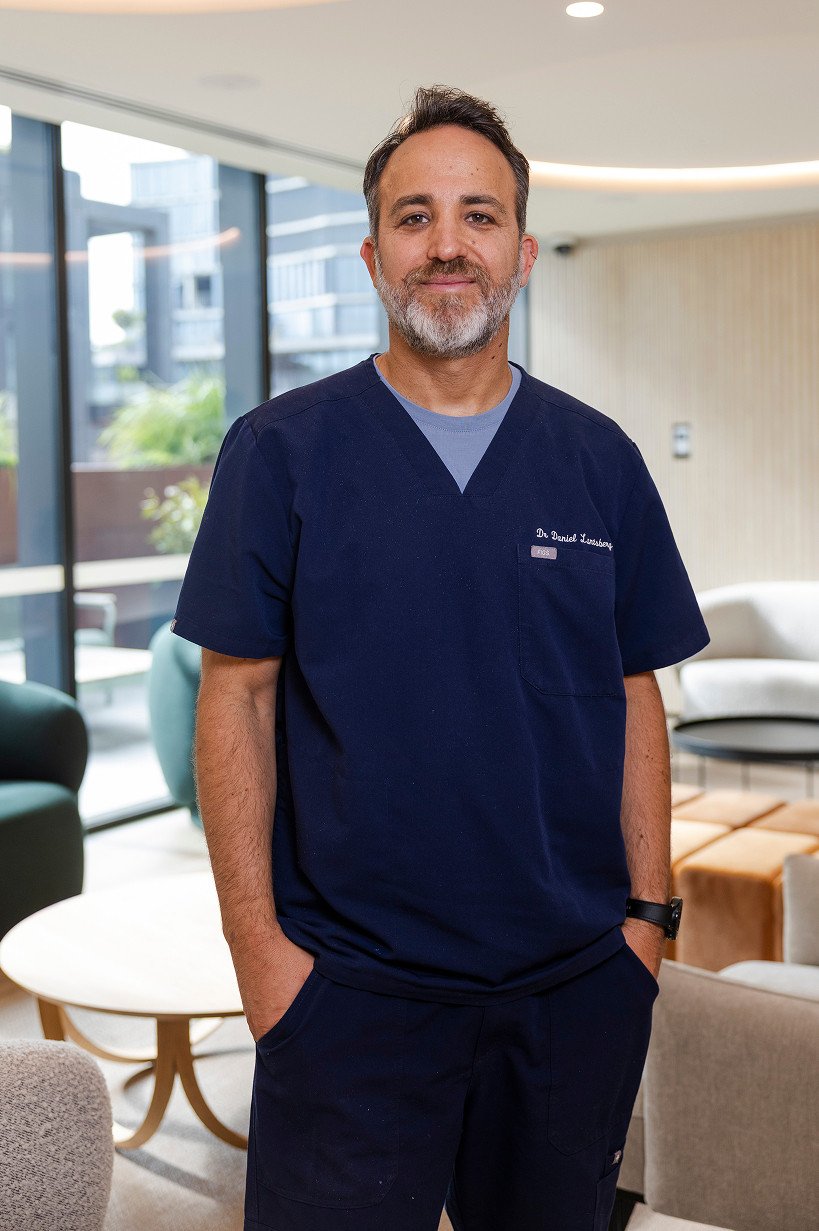
Dr Daniel Lantsberg is a fertility specialist dedicated to providing the highest standard egg freezing service. He is passionate about empowering women to take control of their future fertility options. Our mission is to provide the easiest, safest, most flexible, and affordable egg freeze programs for women of all ages.
Daniel works at Melbourne IVF, a leading IVF and fertility service group in Australia and a pioneer in egg freezing science in melbourne. Melbourne IVF is a full-service IVF provider that offers expert advice and support to women who are ready to use their frozen eggs and take the next steps towards parenthood.



Melbourne IVF is part of Virus Health, a premier global leader in fertility women’s health, and Genetics, with a strong presence in Australia and across Asia. Melbourne IVF is a renowned leader in vitrification, the rapid freezing method that is now the standard for freezing eggs our leading scientists were to open Australia’s first egg bank.
Together, Dr Daniel Lantsberg and Melbourne IVF bring many years of combined experience in egg freezing and fertility preservation. We offer egg freezing programs tailored to each woman’s needs and goals.
About Podcast
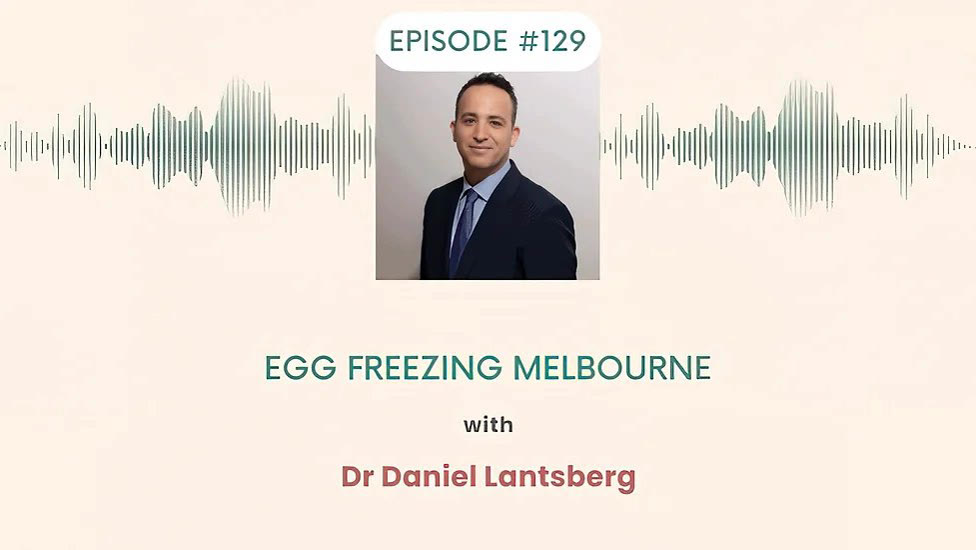

All you need to know about egg freezing All you need to know about egg freezing
Egg-freezing-Melbourne–FitNest-Mama
All you need to know about egg freezing All you need to know about egg freezi
In this episode of the FitNest Mama podcast, Dr Daniel Lantsberg explains what egg freezing involves, who might consider it, and what to expect from the process, costs, possible side effects and Medicare cover.
Welcome back to another episode of the FitNest Mama podcast.
Today is the start of a fertility series on the podcast, so over the next few weeks, I will be talking to various experts on different topics around fertility. We are kicking off this fertility series with a chat about egg freezing specialists with Dr Daniel Lantsberg. Daniel is a consultant gynaecologist specialising in fertility, reproductive endocrinology and fertility preservation. His special interests are elective egg freezing, age-related infertility, unexplained infertility, male infertility, fertility preservation, PCOS, endometriosis and fibroids.
Daniel has worked in Israel and Australia, and he now works in Australia, privately in rooms in Collingwood, Victoria, and also at the Reproductive Services Unit at the Royal Women’s Hospital. In having this conversation with Daniel, and I am sure you’ll agree with me once you’ve listened, but you can really tell that quality of care is of the utmost importance for him and his team, and treating each and every person he sees as an individual, and working with their goals, is super important.
It is a great discussion, and Daniel answers these common questions about egg freezing:
- What is the best age to freeze eggs?
- What is the process of freezing eggs?
- Side effects of egg freezing
- Egg freezing success rates
- How much does it cost to have your eggs frozen?
- Is egg freezing covered by Medicare?
I trust you will find this podcast valuable if you’re thinking about freezing your eggs, and don’t hesitate to send this to a friend who you know might be embarking on this journey.
Episode Links
Dr Daniel Lantsberg
website:https://www.drdaniellantsberg.com.au/
Dr Daniel Instagram:@dr.daniel.lantsberg
Last reviewed: November 2026 by Dr Daniel Lantsberg, FRANZCOG
Sources
- Better Health Channel, Victorian Department of Health: Egg freezing
- VARTA (Victorian Assisted Reproductive Treatment Authority): Preserving fertility
- healthdirect Australia: Infertility
- Assisted Reproductive Treatment Act 2008 (Vic)
This page gives general information only and is not a substitute for individual medical advice.